
0%

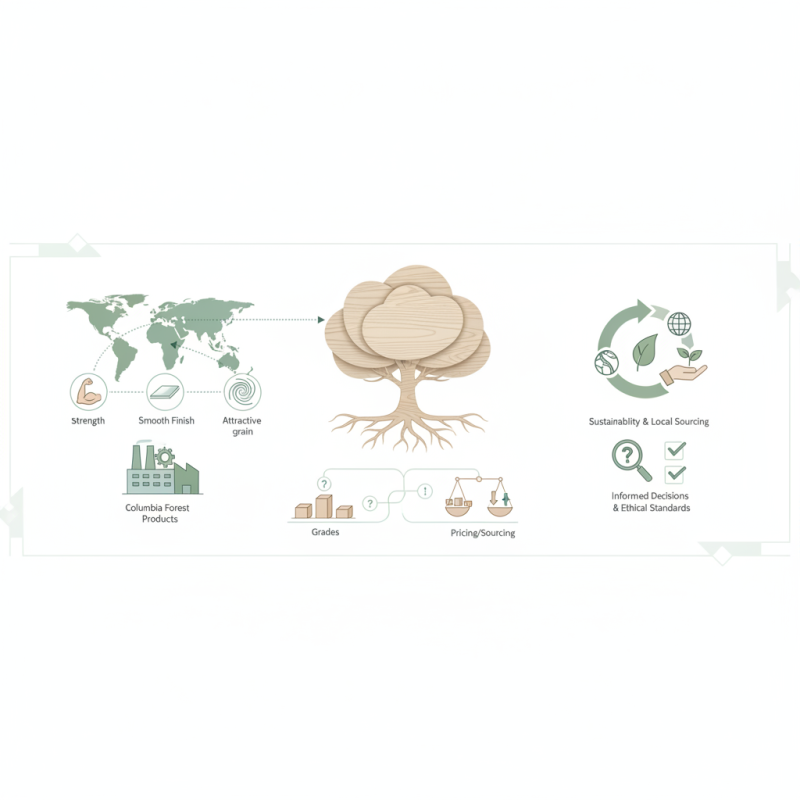
Birch Plywood has really become a go-to for folks all around the world who are after top-quality and versatile material for their projects. It’s known for being pretty strong, having that nice smooth surface, and showing off some pretty attractive grain patterns. Brands like Baltic Birch Plywood and Columbia Forest Products offer a bunch of different options, so you can find something that fits just about any need. That said, figuring out the differences between the various grades and types of Birch Plywood can be a bit confusing — honestly, it’s easy to get overwhelmed with all the choices out there.

A lot of buyers end up asking, ‘Is going for a higher grade always the best move?’ or ‘What about sourcing problems or price swings?’ These are totally common questions. To really make good decisions, it helps to understand the ins and outs of Birch Plywood — what makes one type better suited than another depends on a bunch of factors.

And let’s not forget, while Birch Plywood has tons of benefits, it’s worth thinking about things like sustainability and whether you’re sourcing locally. The environmental footprint of how plywood is made can vary a lot depending on the manufacturer. So, as someone buying from all over the globe, staying in the know about these little details is super important. Ultimately, the goal isn’t just to find the best materials but also to choose options that are responsibly sourced and align with your values. It’s all about balancing quality with making a positive impact.
2026 Best Birch Plywood Options for Global Buyers?

Overview of Birch Plywood and Its Global Relevance

Birch plywood is renowned for its strength and versatility. Used in construction and furniture, it has gained global prominence. The rich texture and fine grain make it an aesthetically appealing choice. Birch plywood offers superior stability and resistance to warping. This reliability is vital for projects that require durability.

In recent years, the demand for sustainable materials has surged. Birch plywood is sourced from responsibly managed forests. This practice supports environmental conservation while catering to market needs. However, the accessibility of high-quality birch plywood varies by region. Buyers often face challenges in sourcing consistent supplies. It’s important to verify the origin and quality of the product.

Despite its advantages, birch plywood is not without drawbacks. Cost can be a concern for budget-conscious projects. Additionally, surface defects may occur during production. Inspecting products before purchase is crucial to ensure quality. Prospective buyers should stay informed about changing market trends to make better choices. Each project presents unique challenges that require careful consideration.

Key Factors to Consider When Selecting Birch Plywood

2026 Best Birch Plywood Options for Global Buyers?

When selecting birch plywood, several factors should be considered. The grain pattern and color can vary widely. A consistent, pale finish is often sought after for modern designs. Each sheet may have knots or blemishes. Understanding what defects are acceptable for your project is crucial.

Thickness matters significantly. Common thicknesses range from ¼ inch to ¾ inch. Choose a thickness that suits your intended use. Heavier applications may require thicker plywood for strength. Consider the structural integrity it will provide for your project.

Sourcing quality plywood can be challenging. Not all suppliers adhere to the same standards. Check certifications to ensure compliance with industry norms. Local climate can also impact the plywood's performance. Understanding your environment helps in making informed decisions.

Top Birch Plywood Manufacturers Around the World

Birch plywood is gaining popularity among global buyers due to its strength and aesthetic qualities. Various manufacturers around the world are leading in this market, each contributing unique attributes to their products. According to recent industry reports, the global birch plywood market is expected to reach USD 17.7 billion by 2026, growing at a CAGR of 6.1%. This growth reflects rising demand in construction and interior design sectors.

In Europe, several manufacturers stand out for their commitment to quality and sustainability. Many producers source birch timber from certified forests, ensuring responsible practices. However, some reports indicate inconsistencies in sustainability claims across different companies. Buyers should investigate the sourcing and production practices of manufacturers to ensure they meet ethical standards.

Asia has also emerged as a significant player in birch plywood manufacturing, with increasing investments in technology. While the production capacity is impressive, issues such as quality control can sometimes arise. It's crucial for buyers to conduct thorough evaluations, as variations in quality can affect both performance and visual appeal. Engaging with manufacturers directly and requesting samples can ensure informed purchasing decisions in this competitive market.

2026 Best Birch Plywood Options for Global Buyers

Comparative Analysis of Birch Plywood Grades and Qualities

When evaluating birch plywood, it's essential to consider the different grades and qualities available. Birch plywood is often graded based on its appearance and structural integrity. The top grades, such as B/BB, feature fewer defects and provide a visually appealing finish. According to the Plywood Association, B-grade birch is versatile for furniture and cabinetry, while lower grades are more suitable for structural purposes.

Recent studies indicate that birch plywood has a high strength-to-weight ratio, which makes it ideal for many applications. For example, the International Wood Products Association states that birch plywood can be 30% stronger than other similar hardwoods. However, not all birch plywood is created equal. Some manufacturers might cut corners, leading to inconsistencies in quality and performance.

Buyers should be aware of these variations and seek reliable sources. Industry reports suggest that purchasing plywood from reputable suppliers ensures compliance with international standards. Quality certifications, such as the Forestry Stewardship Council (FSC), help verify the sustainability and quality of the material. This insight into birch plywood grades and qualities underscores the importance of making informed purchasing decisions.

Sourcing Birch Plywood: Tips for International Buyers

Sourcing birch plywood requires an understanding of global markets. The demand for birch plywood is projected to grow at a CAGR of 5.7% from 2021 to 2026. This growth is driven by its versatility and strength, making it a favorite in construction and furniture industries.

When sourcing internationally, buyers should consider logistics. Customs regulations vary greatly. Researching import duties can save costs. Establishing clear communication with suppliers is crucial. Not every supplier can meet the same quality standards. Ensure they provide certifications for the plywood.

Here are some tips for successful sourcing:

  • Always request samples before purchasing. This helps gauge quality.
  • Be aware of the wood’s origin. Sustainability is key in modern sourcing.
  • Don’t hesitate to visit suppliers. This builds trust and ensures better deals.

Despite the opportunities, challenges remain. Quality control can be hit or miss. Some suppliers may promise more than they can deliver. Markets can fluctuate unexpectedly, affecting prices and availability. Remaining adaptable is essential for successful sourcing.

Sustainability and Environmental Impact of Birch Plywood

Birch plywood has gained popularity due to its attractive appearance and durability. However, its production raises environmental questions. The sourcing of birch wood affects forests and ecosystems. Overharvesting can lead to habitat loss. Sustainable practices are crucial in this industry.

The process of making birch plywood often involves chemicals. These can impact air quality and water sources. Some manufacturers are moving towards eco-friendly adhesives and finishes. These changes seek to reduce the environmental footprint. Sadly, not all companies prioritize sustainability. Buyers must verify their sources and processes.

One must also consider life cycle impacts. Birch plywood can be recyclable, but not always. Some products end up in landfills. Understanding the entire production chain helps consumers make informed choices. The push for sustainability in birch plywood is growing, yet challenges remain. Balancing quality with environmental responsibility is essential for future developments.

2026 Best Birch Plywood Options for Global Buyers? - Sustainability and Environmental Impact of Birch Plywood

Type Thickness (mm) Grade Sustainability Certification Environmental Impact
Birch Plywood A 15 A Grade FSC Certified Low VOC Emissions
Birch Plywood B 18 B Grade PEFC Certified Biodegradable
Marine Birch Plywood 12 A Grade FSC Certified Water-Resistant Glue
Exterior Birch Plywood 21 B Grade FSC Certified Durable and Weather-Resistant
Interior Birch Plywood 9 C Grade PEFC Certified Low Impact Manufacturing

Future Trends in Birch Plywood Production and Market Demand

In recent years, the demand for birch plywood has surged in various sectors, including construction and furniture design. A recent report from the Industry Research Council highlighted a predicted growth rate of 5% annually for birch plywood from 2023 to 2026. This signals a robust interest in sustainable and durable materials among developers and designers.

One notable trend is the increasing emphasis on eco-friendly production practices. Manufacturers are adopting sustainable sourcing methods, ensuring that birch trees are harvested responsibly. A study by the Wood Products Association found that 72% of consumers prefer products made from sustainably sourced materials. This shift reflects a broader market shift towards sustainability in construction and design.

However, challenges persist. Supply chain disruptions have affected availability and pricing. Plywood sourced from certain regions faces tariffs, complicating international transactions. Reports indicate that volatility in raw material costs may impact production. As global buyers navigate these challenges, adaptability and strategic sourcing will be crucial in the coming years.

Comprehensive Guide to UV Coating Birch Plywood: Benefits, Applications, and Best Practices

When considering materials for cabinet components and furniture, UV coating birch plywood stands out as an exceptional choice. With dimensions of 1220*2440*18mm, this type of plywood is perfectly sized to meet a variety of design and construction needs. The UV prefinished surface not only enhances the aesthetic appeal but also provides outstanding stability, making it suitable for products that require both durability and visual charm.

One of the primary benefits of UV coating is its ability to protect the plywood from wear and tear, scratches, and environmental factors. This protective layer increases the longevity of the furniture made from it, allowing for a polished finish that is easy to clean and maintain. Additionally, the UV finish helps to preserve the natural beauty of birch wood, highlighting its fine grain and warm tones while ensuring that the furniture remains fresh and vibrant over time.

Incorporating UV coated birch plywood into furniture design and cabinetry not only boosts the overall quality of the products but also supports sustainable practices. Making use of stable and durable materials reduces waste and prolongs the lifecycle of the finished items, making this an optimal choice for eco-conscious carpenters and designers alike.

FAQS

: What is birch plywood known for?

: Birch plywood is known for its strength, versatility, and aesthetic appeal.

Why is sourcing birch plywood challenging?

Sourcing birch plywood can be challenging due to regional accessibility and inconsistent supply.

What are common surface issues with birch plywood?

Surface defects can occur during production, so inspecting products is important.

How does birch plywood compare to other hardwoods?

Birch plywood has a high strength-to-weight ratio, making it about 30% stronger than similar hardwoods.

What grades of birch plywood are available?

Birch plywood grades vary; top grades like B/BB have fewer defects and better finishes.

Why should buyers check for quality certifications?

Quality certifications, such as FSC, ensure the material's sustainability and adherence to standards.

What recent trends are affecting birch plywood demand?

There is a growing trend towards eco-friendly production methods and sustainable sourcing.

What impacts pricing and availability of birch plywood?

Supply chain disruptions and tariffs on certain regions may complicate pricing and availability.

What growth rate is projected for birch plywood?

The market predicts a growth rate of 5% annually for birch plywood until 2026.

What should buyers consider when purchasing birch plywood?

Buyers should consider product quality, supplier reliability, and changing market trends for better decision-making.

Conclusion

Birch plywood is gaining traction in global markets due to its strength, versatility, and aesthetic appeal. This article provides an in-depth overview of birch plywood, highlighting key factors that buyers should consider when selecting this material, such as thickness, grade, and finish. Furthermore, it explores the leading manufacturers worldwide and compares the quality and characteristics of different birch plywood grades, ensuring buyers can make informed decisions.

In addition to practical sourcing tips for international customers, the article addresses the sustainability aspects and environmental impact of birch plywood production. As the market continues to evolve, understanding these elements and keeping an eye on future trends will be crucial for stakeholders in the birch plywood industry. By considering these factors, buyers can effectively navigate the complexities of sourcing high-quality birch plywood in a competitive global landscape.

Sophie

Sophie

Sophie is a dedicated marketing professional at Chenming Industry & Commerce Shouguang Co., Ltd., a prominent player in the artificial board and cabinet sector in China since 2009. With a strong passion for the industry and an in-depth knowledge of the company's products, she plays a vital role in......
Previous Top 10 Plywood Sheets Suppliers in China for Global Buyers?